What Are Youth Recreation Centers
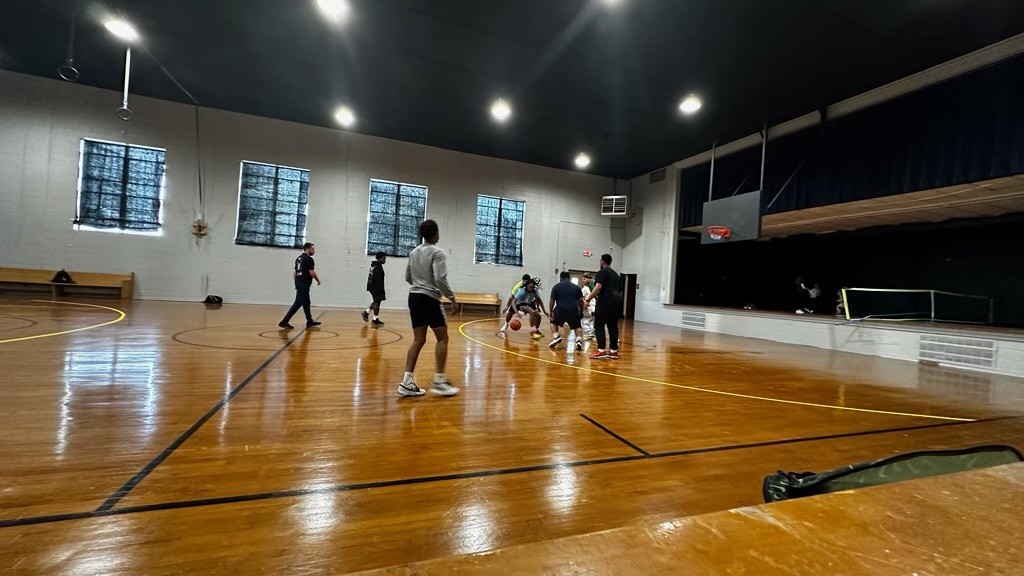
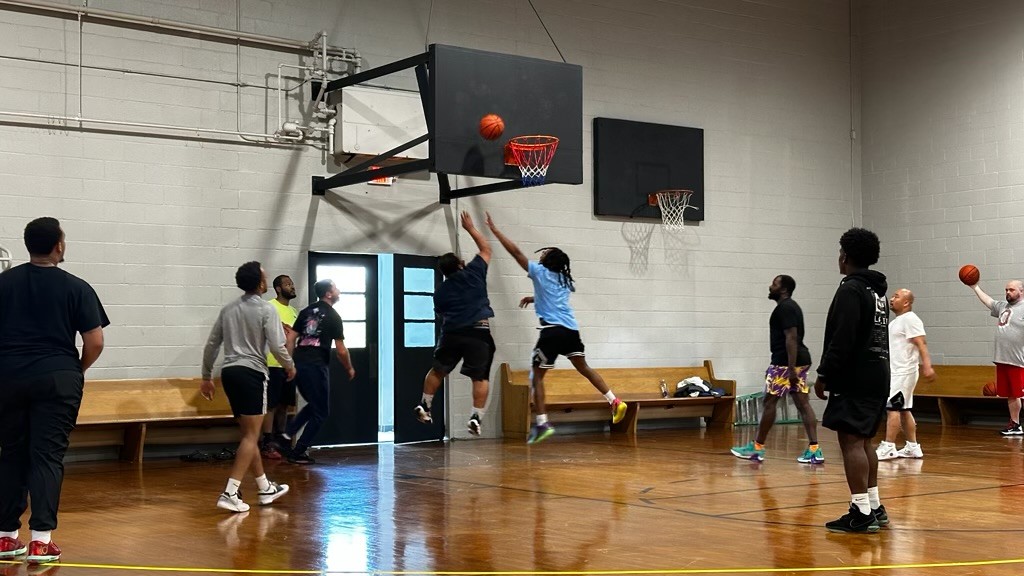
Youth Recreation centers are community facilities that offer a variety of recreational activities for children of all ages and interests. They can be divided into two main categories: Indoor recreation centers include gyms; while outdoor recreation centers may include playgrounds or parks with sports fields. Recreational activities at these facilities include sports like basketball; fitness classes such as yoga or Zumba; arts programs such as painting lessons; educational programs like gardening workshops–the list goes on!
The Benefits of Youth Recreation Centers
Recreation centers are an important part of any community. They provide a space for people to gather and participate in activities that promote healthy living, create economic impact and strengthen community ties.
Recreational activities can be anything from an organized league or class to an informal pickup game of basketball on the court. These spaces could also offer opportunities for children and adults alike to learn new skills or develop existing ones by taking classes such as yoga, dance or martial arts classes at no cost!
Popular Recreation Centers
The YMCA is a nonprofit organization that provides programs for youth, adults and families. It was founded in 1844 by George Williams as an alternative to the social problems he saw in urban areas. Today there are over 2 million members worldwide.
The Boys & Girls Club is another example of a successful recreation center that provides programs for children ages 6-18 years old. It was started by John Dewey in 1881 as part of his philosophy about learning through experience rather than just book learning.
How Recreation Centers Can Improve Communities
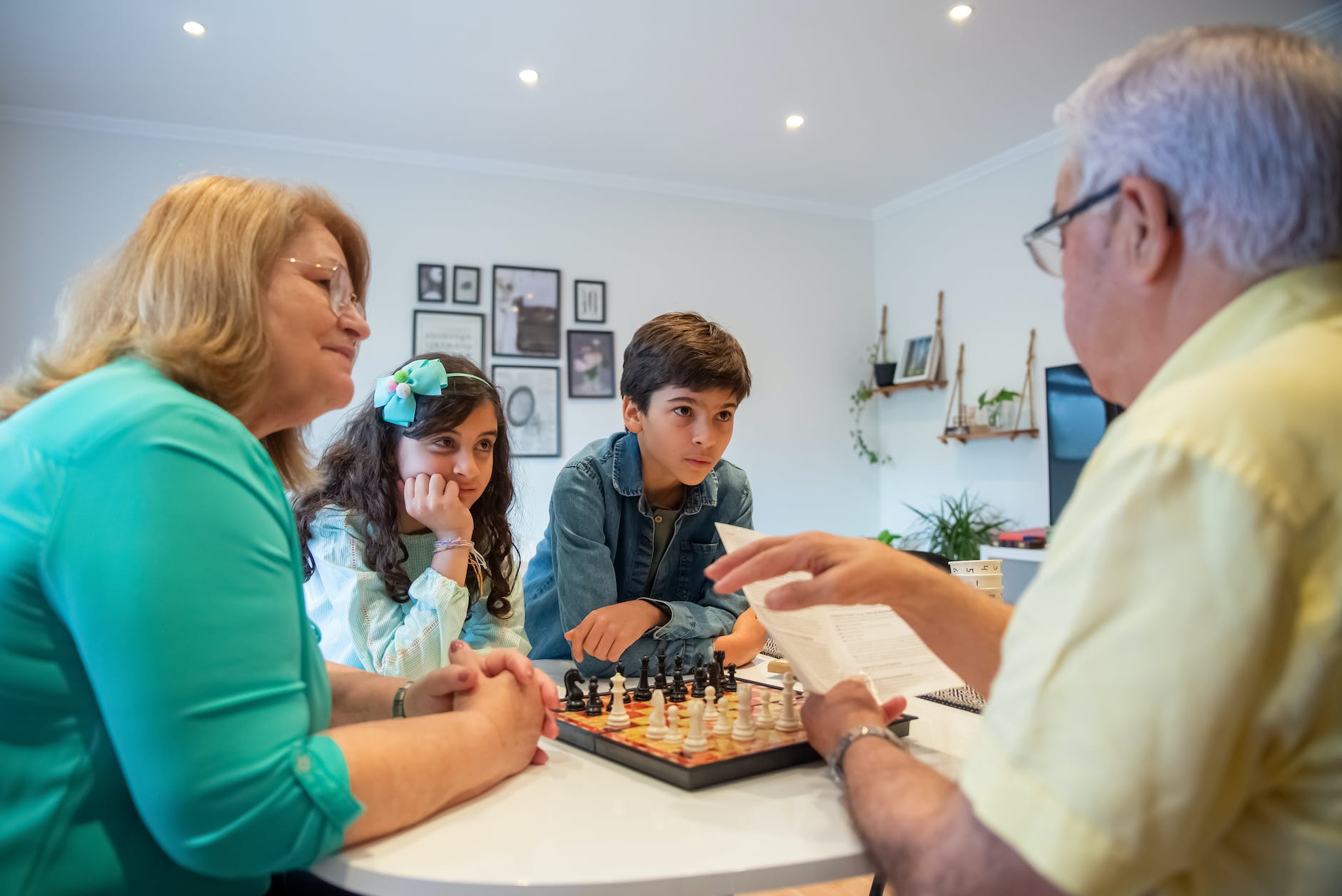
Recreation centers offer a safe place for people to gather and participate in activities. They can be used to provide programs for all ages, including children, teens and adults. Recreation centers also encourage social interaction between people from different backgrounds.
The Impact of Recreation Centers on Health
Recreation centers are a great way to encourage physical activity and improve mental health, which can lead to overall wellbeing. Recreational activities can help you stay active, which is important for your health. Regular exercise has been shown to reduce the risk of cancer, heart disease and diabetes. It also helps you sleep better at night by reducing stress levels and improving your mood.
How Recreation Centers Can Address Social Issues
Recreation centers can address social issues in the community. For example, if you have a recreation center that is open to all ages and abilities, it will provide an opportunity for people from different backgrounds to interact with one another. This can help reduce tensions and create a sense of unity within your community. Recreation centers also provide education and resources so that people have the tools they need in order to succeed in life. Another benefit of recreation centers is their ability to create opportunities for youth who don’t always have access otherwise – whether through scholarships or special programs available only at these locations.


The Economic Impact of Recreation Centers
Recreation centers create jobs and businesses, which in turn generate revenue for the local economy. By supporting local businesses, recreation centers help to ensure that money stays in the community. Recreational activities can also be used as a way to teach children about responsibility and work ethic. If you’re looking for ways to encourage your child’s development, consider enrolling them in a sports program or volunteering at their school’s after-school program so they can learn how valuable it is to give back to their community, this can also be achieved through Youth Recreation Center programs.


 Utica United, Inc.